What is mean by the Intrusion Alarm System ?
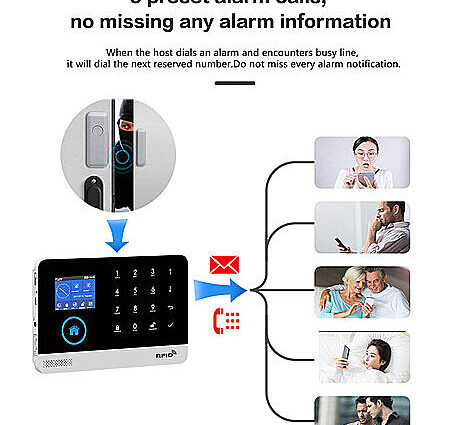
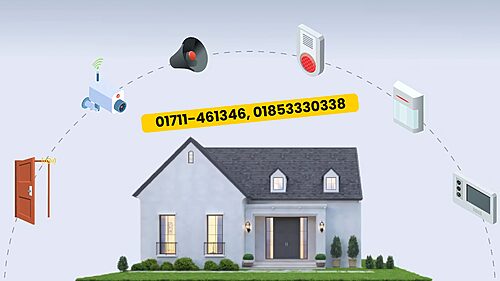
An Intrusion Alarm System (IAS) is a security system designed to detect unauthorized entry into a building or property. It works by monitoring various areas for signs of intrusion, such as movement, forced entry, or tampering with doors, windows, or other access points.This alarm systems are a critical part of modern security infrastructure, and they can be customized for various levels of protection, from basic residential setups to complex commercial systems with multiple zones and integrated technologies.This is a security system designed to detect unauthorized entry or intrusions into a building or area and alert the owner or authorities through alarms or notifications. It typically includes sensors, a control panel, and alarm devices.
What is the history of intrusion alarm systems ?
The history of intrusion alarm systems dates back to the late 19th century, with significant technological advancements occurring throughout the 20th and 21st centuries.The first recorded intrusion detection system was developed in the 1850s by Edwin Holmes, an American inventor. Holmes is credited with creating the first electromagnetic burglary alarm. His system used a telegraph to alert a central station when a door or window was opened, signaling a possible break-in.In 1853, Holmes patented the first electromagnetic alarm that would sound an alarm when a contact was broken, signaling a potential intrusion.Motion detection technology began to emerge in the early 20th century, utilizing mechanical devices to detect movement within a space.In the 1920s, photoelectric and mechanical sensors were developed, increasing the accuracy and reliability of intrusion alarms.The 1930s and 1940s saw more widespread use of electricity and electronics in alarm systems, replacing older mechanical devices. Early systems relied on basic electrical circuits and wires to create contact-based systems.The 1950s introduced the first motion detectors using infrared technology, improving the ability of the system to detect unauthorized movement.In the 1960s, the development of solid-state electronics and more reliable components made alarms systems more practical and affordable for residential and commercial use.In the 1970s, the introduction of central station monitoring (where alarm signals are sent to a monitoring center) became popular. Companies began offering 24/7 monitoring of alarm systems, which led to more widespread adoption.
During the 1980s, wireless alarm systems started becoming available, allowing for easier installation and greater flexibility. These systems used radio signals to communicate with control panels, eliminating the need for extensive wiring.The 1990s saw the integration of digital technology into alarm systems. Digital communication allowed for faster and more reliable transmission of alarm signals, including via telephone lines and later cellular networks.In the 2000s, the rise of internet-based systems and home automation led to the development of smart alarm systems. These systems could be controlled remotely via smartphones, offering real-time alerts and the ability to monitor the system from anywhere in the world.
The 2010s and 2020s saw even more advanced systems incorporating artificial intelligence (AI), motion detection via cameras, smart home integration, and cloud-based storage for video and alarm data. Many of these systems can now interact with other smart devices in the home, such as lights, thermostats, and locks, creating a more integrated security solution.
What are the advantages of an Intrusion Alarm System ?
An Intrusion Alarm System offers several key advantages, making it an essential component of modern security solutions for both residential and commercial properties. The system can detect unauthorized access or suspicious movement, alerting you to potential threats before they escalate.
Visible alarm systems, especially with signs or stickers, can deter criminals from attempting a break-in, as they know they are likely to be caught or scared off.Many alarm systems can be monitored remotely, either by a third-party monitoring service or by the property owner via smartphones or computers.In case of an intrusion, the system can send immediate alerts via SMS, email, or phone calls, allowing you to take timely action. Intrusion alarm systems can significantly reduce the chances of theft, vandalism, or damage to property, especially when combined with other security measures like CCTV cameras.By alerting you at the first sign of unauthorized entry, these systems help protect valuable assets, both physical and intellectual.Many insurance companies offer discounts on premiums for properties equipped with security alarm systems, as they reduce the likelihood of claims related to theft or damage.Knowing that your property is monitored and protected provides a sense of security and reduces anxiety about potential intrusions, especially when you’re not at home or in the office.With 24/7 surveillance, you have peace of mind even when you’re traveling, on vacation, or away for long periods.
What is the importance of the Intrusion Alarm System in Bangladesh ?
The importance of an Intrusion Alarm System in Bangladesh is growing rapidly, as both urban and rural areas face increasing concerns over security. With a rising crime rate, including burglaries, thefts, and other criminal activities, an intrusion alarm system plays a critical role in enhancing the safety and protection of homes, businesses, and institutions across the country.As cities like Dhaka, Chittagong, and Sylhet continue to urbanize, the incidence of crimes such as burglaries, robberies, and house break-ins has increased. Intrusion alarm systems provide an effective deterrent to criminals by alerting property owners or security personnel when unauthorized access is detected.With increasing wealth, both residential and commercial properties have become attractive targets for criminals. Alarm systems help mitigate the risk of theft, reducing potential losses. Businesses, especially those dealing with valuable goods or cash, are at risk of theft. Alarm systems can protect commercial establishments like shops, factories, and warehouses from break-ins and vandalism.With rising concern about home robberies, especially during off-hours or when families are away, an intrusion alarm system ensures that residential properties are adequately protected.As awareness about security technologies grows in Bangladesh, more people are investing in alarm systems for their properties. This growing recognition of the importance of security contributes to a safer environment.As more people adopt alarm systems in their homes or businesses, it encourages others in the community to follow suit, creating a safer and more security-conscious society.
An Intrusion Alarm System in Bangladesh is of critical importance due to the rising crime rates, limited police resources, and growing concerns about personal and property security. It offers significant benefits in terms of crime prevention, asset protection, and peace of mind, while also contributing to lower insurance premiums and faster emergency responses. With increasing technological adoption and a focus on safety, intrusion alarm systems are becoming an essential part of security infrastructure in both urban and rural areas across the country.